How to Select the Best Solar Panel System for Your Massachusetts Property
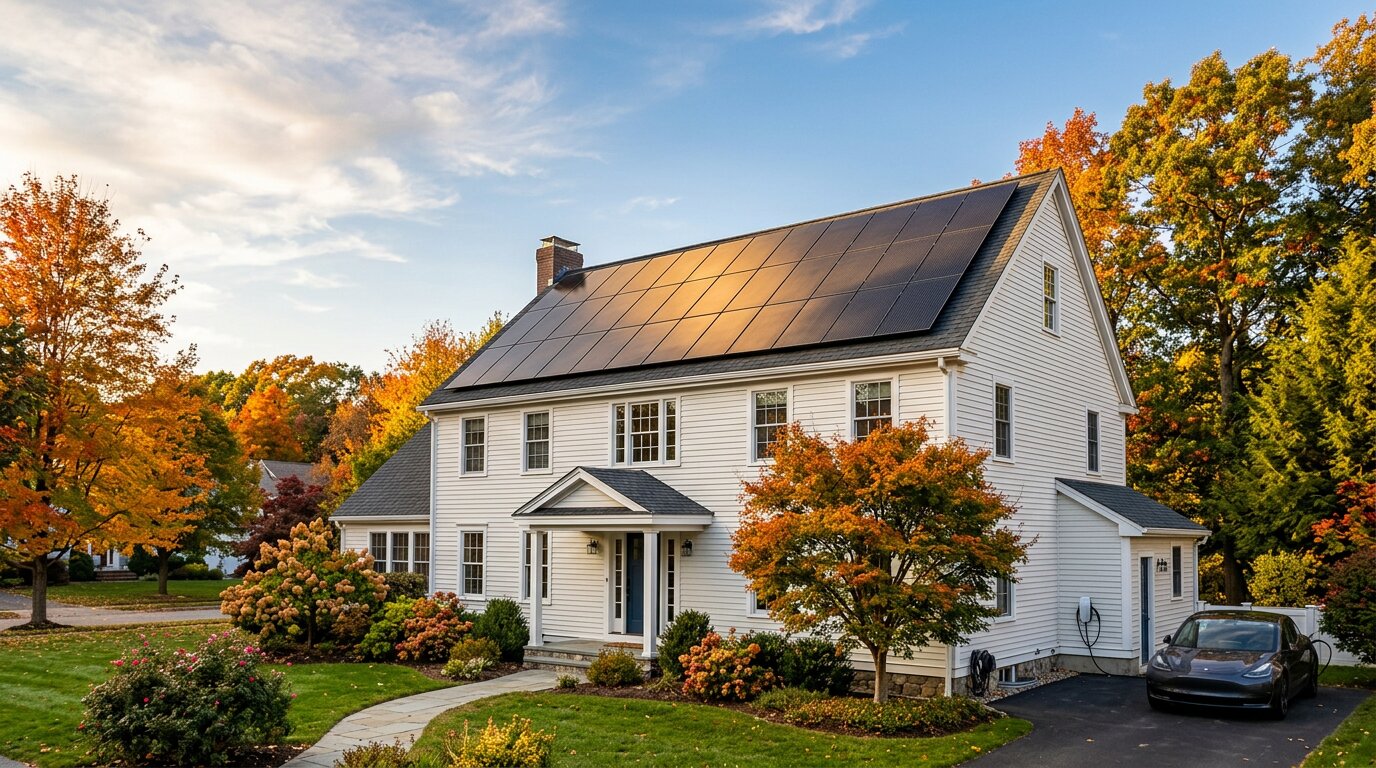
When you’re weighing solar for your Massachusetts property, it’s important to look beyond just panel brands or price tags. You’ll want to factor in your energy habits, the specifics of your roof, and the local incentives that can affect your investment. With technology evolving quickly and state policies shifting, the landscape isn’t static. If you want to make a decision that serves both your savings and sustainability goals, there’s a lot more to unpack.
Factors Affecting Solar Panel Installation in Massachusetts
When planning a solar panel installation in Massachusetts, several important factors should be considered to ensure optimal system performance and reliability. The age, orientation, and tilt of your roof significantly influence energy generation potential in this region. South-facing roofs that are inclined between 30° and 45° are generally recommended for achieving higher efficiency ratings and maximizing wattage output.
In addition to the roof’s physical characteristics, the compatibility of the roofing material with solar panel installation is critical. For many homeowners in Massachusetts, asphalt shingles are the most economical choice, contributing to overall savings. Conducting a shade analysis is also advisable, as shading from trees or nearby structures can adversely affect solar panel performance.
Installation costs can vary considerably, so it is essential to explore available incentives and program options such as net metering and the Solar Massachusetts Renewable Target (SMART) program. Understanding financial mechanisms, including battery storage systems, sales tax exemptions, property tax exemptions, and power purchase agreements (PPAs), can further inform your decision-making process.
Finally, potential federal tax benefits are worth investigating, as these can significantly impact the overall cost-effectiveness of the solar installation. Overall, careful evaluation of these factors can lead to a more informed and beneficial investment in solar energy.
Comparing Different Types of Solar Panels
Selecting the appropriate type of solar panel for your property in Massachusetts requires careful consideration of several factors, including the distinctions between monocrystalline, polycrystalline, and high-wattage panels.
Monocrystalline panels are recognized for their higher efficiency ratings, typically ranging from 18% to 21%. This makes them particularly suitable for properties with limited roof space, as they can maximize energy output in smaller areas, potentially leading to lower installation costs per watt.
In contrast, polycrystalline panels tend to have slightly lower efficiency ratings but are often more affordable, making them a viable option for homeowners with larger roofs who are looking for cost-effective solutions. While their efficiency may not match that of monocrystalline options, polycrystalline panels can still provide substantial energy production if ample space is available.
When making your decision, it is essential to take into account not only the efficiency and cost of each type of panel but also factors such as warranty offerings, aesthetic considerations, and financial incentives available in the state.
Massachusetts residents can benefit from programs like the Federal Tax Credit, Property Tax Exemption, and net metering, which may influence the overall financial feasibility of your solar investment.
Furthermore, it is advisable to review the services provided by various solar installation companies, examine their program details, and refer to frequently asked questions for a comprehensive understanding of the options available.
This thorough approach will assist in identifying the most suitable solar panel type for your specific needs.
Evaluating Solar Installers and Their Credentials
When considering a solar installer for your property in Massachusetts, it is important to evaluate the company’s experience and credentials methodically. A minimum of five years in the industry is advisable, along with NABCEP certification, which indicates a recognized standard of professionalism and expertise in solar installation.
Additionally, assess the range of services offered by the installers, including battery storage solutions, photovoltaic panel installation, and thorough roof evaluations. A reputable solar company should be knowledgeable about and supportive of state programs such as the Solar Massachusetts Renewable Target (SMART), net metering, tax exemptions, and available federal tax credits that can enhance the financial viability of your solar investment.
It is prudent to review customer feedback on various platforms, including Facebook, Twitter, and SolarReviews, as well as frequently asked questions about the firm's practices. This analysis can provide insight into the company's reliability and customer satisfaction levels.
A detailed guide to these considerations will aid in reducing costs, understanding available incentives, and optimizing agreements for energy credits on your electric bill.
Taking the time to gather and assess this information will lead to a more informed decision regarding your solar installation.
Understanding Solar Financing and Payment Options
When considering the financing options for solar panel systems in Massachusetts, homeowners have access to various alternatives that can facilitate the adoption of solar energy.
Key options include the Massachusetts Solar Loan Program, power purchase agreements (PPA), and arrangements for third-party ownership. These financing models allow consumers to choose between purchasing the system outright or leasing it depending on their financial situation and preferences.
It is advisable to carefully assess factors such as interest rates, the terms of agreements, and the total installation costs prior to making a decision. Additionally, Massachusetts provides certain tax exemptions, including exemptions from sales and property taxes, alongside federal tax credits that can significantly reduce overall financial burdens.
Consumers may also want to consider the availability of supplementary services, which might include battery storage solutions and provisions for electric vehicle charging.
It is essential to evaluate efficiency ratings, net metering policies, and to inquire with solar companies about their informational resources, including comprehensive guides and frequently asked questions. This due diligence will ensure a well-informed decision-making process regarding the investment in solar technology.
Maximizing Savings Through State and Federal Incentives
If you are seeking to reduce the upfront costs associated with solar panel installation on your Massachusetts property, various state and federal incentives are available that could significantly impact your overall financial investment.
At the federal level, the Investment Tax Credit (ITC) allows homeowners to deduct a percentage of the cost of solar systems from their federal taxes. As of 2023, this credit is set at 30% of the total installation costs. Additionally, Massachusetts offers a state income tax credit for solar installations, which further reduces the financial burden.
Homeowners may also benefit from exemptions on both sales and property taxes for solar installations. Specifically, equipment associated with solar energy is exempt from sales tax in Massachusetts, and property taxes cannot be levied on the added value of the solar installation.
For those looking to finance their systems, the Massachusetts Solar Loan Program offers lower interest rates for solar loans, making it more accessible for homeowners to invest in solar technology. Alternatively, a Power Purchase Agreement (PPA) allows homeowners to purchase electricity generated by solar panels at a predetermined rate, often lower than utility rates.
Moreover, net metering policies with utilities such as National Grid enable solar customers to receive credits for any excess electricity their systems produce. These credits can offset future electric bills, thus offering additional savings.
It is advisable for potential solar customers to consult with companies specializing in solar financing and installation to ensure they are fully aware of all applicable credits and incentives.
This approach can help maximize financial benefits, particularly when opting for higher wattage panels. Overall, these various incentives collectively aim to promote the adoption of solar energy in Massachusetts, making it a financially viable option for many homeowners.
The Role of Community Solar for Homeowners and Renters
Community solar presents a viable alternative for homeowners and renters who may not have suitable conditions for rooftop solar panels. In Massachusetts, residents can participate in community solar programs offered by various companies. By subscribing to such a program, participants can receive credits on their electric bills, typically resulting in annual savings of approximately 10-20%.
One significant advantage of community solar for Massachusetts customers is that there is no need for the physical installation of solar panels on their property. Instead, participants benefit from net metering and other incentives, such as the SMART (Solar Massachusetts Renewable Target) program, as well as federal tax credits. These financial structures support the economic feasibility of community solar.
Typically, businesses operate through power purchase agreements (PPAs) or subscription agreements, which allow customers to invest in the solar energy generated by a shared facility while offsetting their electric usage.
By opting into community solar, individuals contribute to local renewable energy initiatives, help diminish their carbon footprint, and support the growth of clean energy job markets.
Overall, community solar offers a practical means for individuals to engage with renewable energy resources, even if they cannot host solar panels on their own properties.
Analyzing Solar Quotes and Warranties
When considering solar quotes for your Massachusetts property, it is important to undertake a thorough analysis of various factors before making a decision.
Begin by examining each company's quote closely, paying attention to elements such as system size, cost per watt, and efficiency ratings. Warranties are a critical aspect to verify; for Massachusetts customers, a warranty period of 25 to 30 years is typical.
It is also valuable to assess the specific credits and incentives available to you, which may include potential net metering savings from the local utility, National Grid. Your roof's condition and orientation, the specifics of the installation process, and options for battery storage should be considered as they all contribute to overall system performance.
Additionally, familiarize yourself with state programs like the SMART (Solar Massachusetts Renewable Target) initiative, which can affect your overall savings. Pay attention to any escalators in power purchase agreements or loan interest rates, as these can significantly impact the total cost over time.
It is also advisable to understand the extent of savings you can achieve through available state and federal tax credits, along with the implications of any property or sales tax exemptions.
Overall, a methodical evaluation of these elements will provide a clearer picture of the financial and functional benefits associated with the solar installation.
Maintenance and Long-Term Support Considerations
A proactive approach to maintenance and support is essential for ensuring the reliable performance of solar systems over time. In Massachusetts, solar companies typically offer a range of long-term services, which may include regular inspections and warranties that can extend up to 30 years. These long-term commitments can provide peace of mind that the system will function effectively during its lifespan.
Additionally, Massachusetts residents benefit from net metering credits, which reflect savings on electric bills when a solar system generates excess energy. The state also administers the Solar Massachusetts Renewable Target (SMART) Program, which offers ongoing incentives to further encourage solar energy usage.
To optimize system efficiency, it is important to keep solar panels free from obstructions such as debris or overhanging branches, as these can negatively impact performance.
When selecting an installation company, it is advisable to inquire about their long-term support, associated costs, and available credit options. Reliable support programs are instrumental in maximizing savings for Massachusetts customers throughout the duration of their solar agreement.
Integrating Solar Batteries and Backup Storage
For those interested in exploring solar options, learning about Solar Panels in MA can provide valuable insights. The integration of solar batteries and backup storage can enhance both the value and reliability of solar energy systems. Incorporating battery storage into your solar installation allows for effective management of energy usage during peak times, which can lead to savings on electric bills. Additionally, it offers benefits during power outages by providing a reliable backup power source.
Residents in Massachusetts can take advantage of a 30% federal tax credit, alongside various state incentives and possible exemptions from sales and property taxes, which can contribute to the overall cost-effectiveness of installation.
When selecting a solar company, it is advisable to inquire about efficiency ratings, costs per watt, and participation in the Solar Renewable Target (SMART) Program, which supports solar energy development in the state.
Furthermore, potential options for financing should be evaluated, including power purchase agreements (PPAs) and loans. It is also beneficial to review frequently asked questions regarding the installation process and the financial implications of solar energy systems with battery storage.
Such an informed approach can lead to better decision-making for those considering solar energy solutions in Massachusetts.
Current Trends and Innovations in Massachusetts Solar Energy
The Massachusetts solar industry is undergoing significant developments, influenced by advancements in technology and changes in policy. Currently, companies in the state are producing high-efficiency solar panels that offer improved wattage and efficiency ratings. Battery storage solutions are also becoming more prevalent, allowing homeowners to optimize their energy savings.
Programs such as Community Solar and the SMART (Solar Massachusetts Renewable Target) initiative provide avenues for residents to benefit from solar energy without the necessity of installing solar panels on their roofs. These programs offer financial incentives and credits, which can contribute to lower electricity bills.
Furthermore, options like Net Metering, Solar Loans, and Power Purchase Agreements (PPA) are designed to mitigate initial investment costs and facilitate access to solar energy. These financing solutions often provide competitive interest rates, making it easier for more homeowners to participate in solar energy initiatives.
When evaluating installation services or addressing common inquiries about solar energy, it is essential to consider available incentives. State and federal tax credits, along with Sales Tax exemptions, further enhance the financial viability of solar installations in Massachusetts.
This comprehensive overview highlights the evolving nature of the solar sector in Massachusetts and the various options homeowners have for engaging with solar energy.
Conclusion
Choosing the best solar panel system for your Massachusetts property means considering your energy needs, weighing panel types, and understanding available incentives. Don’t rush—compare installer credentials, quotes, and warranties. Remember to assess your roof, look into battery options, and plan for long-term maintenance. By staying informed about the latest trends and community solar programs, you’ll position yourself to maximize both savings and sustainability as you make the transition to solar energy.